




winter sleep problems
Dec 25, 2025
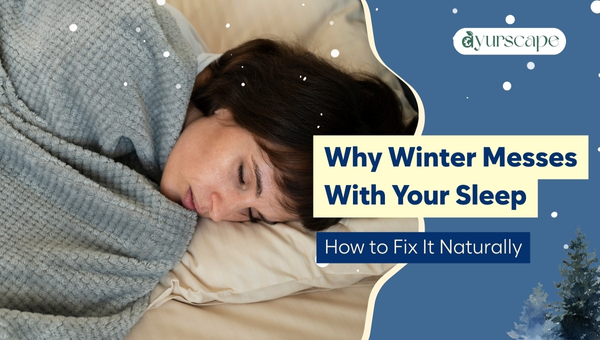
Why Winter Messes With Your Sleep (and How to Fix It Naturally)
Winter Sleep Feels… Off
If you’ve noticed that winter sleep feels strange — either sleeping too much or never feeling rested — you’re not imagining it. Many people in the U.S. struggle with disrupted sleep during colder months. Dark mornings, early sunsets, indoor heating, and holiday stress all work together to confuse your body clock.
The result? Grogginess, late nights, difficulty waking up, and that constant feeling of “I need one more hour.”
Let’s break down why winter affects sleep so much — and how to fix it without complicated routines.
Why Winter Disrupts Sleep

Winter changes the signals your body relies on for sleep.
- Sunlight regulates melatonin, your sleep hormone
- Shorter days mean melatonin stays high longer
- This can make you feel sleepy earlier but still tired in the morning
More time indoors
- Artificial lighting throws off your natural rhythm
- Screen time increases when it’s cold outside
Heavier meals and late dinners
- Winter comfort foods digest slower
- Eating late can interfere with deep sleep
Holiday stress
- Travel, social commitments, and schedule changes affect sleep quality
Signs Your Winter Sleep Needs Attention

You might need to reset your sleep routine if you notice:
- Trouble falling asleep even when tired
- Waking up feeling unrefreshed
- Needing excessive caffeine
- Sleeping longer but still feeling drained
- Mood changes or irritability
How to Fix Winter Sleep Naturally

You don’t need drastic changes. Small shifts work best.
1. Get morning light as early as possible
- Open curtains immediately after waking
- Step outside for 5–10 minutes if you can
- This helps reset your internal clock
2. Keep sleep and wake times consistent
- Even on weekends
- This is more important in winter than summer
3. Create a warm evening routine
- Dim lights after sunset
- Drink warm herbal tea
- Stretch or read instead of scrolling
Warmth signals relaxation to the nervous system.
4. Watch late-night eating
- Eat dinner at least 2–3 hours before bed
- Choose lighter evening meals
5. Keep your bedroom cool, not cold
- Ideal sleep temperature is slightly cool
- Use blankets instead of cranking heat
Snow Days and Sleep Schedules
Snow days can completely throw off routine.
Smart snow-day sleep tips
- Avoid sleeping in excessively
- Stick close to your usual bedtime
- Use naps carefully (20–30 minutes max)
Snow days should refresh you, not derail your rhythm.
Winter Sleep Myths to Stop Believing
“I need more sleep in winter, so I’ll just sleep longer.”
Quality matters more than quantity.
“Screens help me relax before bed.”
Blue light delays melatonin release.
“I can fix sleep later.”
Poor sleep compounds quickly in winter.
Simple Winter Sleep Reset Checklist

- Morning sunlight exposure
- Consistent bedtime
- Warm evening routine
- Light dinners
- Reduced screen time at night
That’s it. No extremes.
Final Thoughts
Winter sleep struggles are common — and fixable. Once you align your habits with seasonal changes, sleep becomes deeper, mornings feel easier, and energy naturally improves.
You don’t need to fight winter.
You just need to sleep smarter through it.
Frequently Asked Questions
1. Why do I feel more tired in winter even after sleeping longer?
Shorter daylight hours affect melatonin and circadian rhythm, making sleep less refreshing. Winter fatigue is often due to low sunlight exposure, disrupted sleep cycles, and reduced activity.
2. How many hours of sleep are ideal during winter?
Most adults need 7–9 hours of quality sleep. In winter, maintaining consistent sleep and wake times is more important than sleeping longer hours.
3. Does cold weather directly affect sleep quality?
Yes. Cold temperatures, dry indoor air, and heavy bedding can impact comfort and breathing. A cool but comfortable bedroom helps improve winter sleep quality.
4. Can lack of sunlight cause sleep problems in winter?
Yes. Reduced sunlight lowers vitamin D levels and disrupts the body’s internal clock, leading to sleep disturbances and daytime fatigue during winter months.
5. What is the best natural way to improve sleep in winter?
Morning sunlight exposure, a warm evening routine, limiting screen time at night, and consistent sleep schedules are the most effective natural ways to improve winter sleep.
Recent Post

The Longevity Playbook: How Elite Athletes Stay at the Top for Decades

Trusted Ayurvedic Brands Available Worldwide Through Ayurscape

Summer Wellness Tips: Stay Healthy, Hydrated & Energized in 2026

Natural Weight Management: Sustainable Ways to Maintain a Healthy Body (2026 Guide)

Natural Hair Loss Remedies: Causes, Prevention & Herbal Solutions (2026 Guide)

How Your Phone Is Quietly Draining Your Mental Energy (Without You Even Realizing It)
The Modern Burnout Nobody Talks About (Mental Overload)

Why You Feel Tired Even When You Sleep Enough (and What Actually Helps You Feel Rested Again)

Why Your Body Needs Recovery More Than Motivation

Why Gentle Stretching and Mobility Work Can Be More Effective Than Heavy Workouts (Especially as Life Gets Busier)