
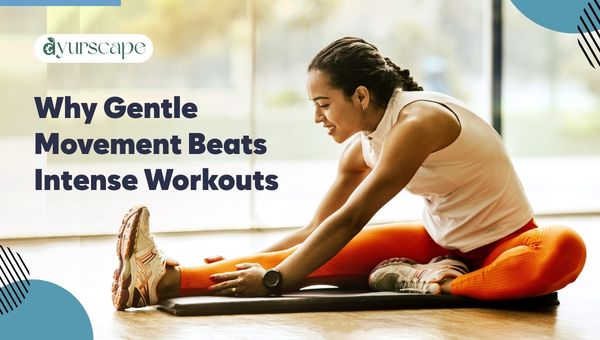




Why Gentle Stretching and Mobility Work Can Be More Effective Than Heavy Workouts (Especially as Life Gets Busier)
Mar 20, 2026
Why Gentle Stretching and Mobility Work Can Be More Effective Than Heavy Workouts (Especially as Life Gets Busier)
The Fitness Advice Most People Don’t Hear
Most fitness advice sounds loud and extreme. Lift heavier. Train harder. Push limits. Sweat more. The underlying message is simple: if you’re not exhausted, you’re not doing enough.
But for many people living real, adult lives—with work stress, long hours, family responsibilities, mental fatigue, and limited recovery—this approach quietly fails.
That’s where gentle stretching and daily mobility work step in. Not as a replacement for all workouts, but as a foundation that often delivers better results than heavy, irregular training.
Why Heavy Workouts Stop Working for So Many People

Heavy workouts aren’t bad. But they are demanding—and demand consistency, recovery, time, and energy.
Common problems people face:
- Persistent soreness
- Tight joints and stiffness
- Skipped workouts due to fatigue
- Fear of injury
- Mental resistance to starting
Over time, workouts become something you avoid, not something you look forward to. When that happens, even the best program stops working.
What Stretching and Mobility Really Do (Beyond Flexibility)

Stretching isn’t just about touching your toes.
Daily mobility work:
- Improves joint lubrication
- Enhances blood circulation
- Reduces muscle tension
- Improves posture
- Helps the nervous system relax
This creates a body that moves better, recovers faster, and feels lighter—even without heavy resistance training.
Mobility First, Strength Second
Many people jump straight into strength training with bodies that don’t move well.
Tight hips, stiff shoulders, rounded backs, weak ankles—these are not strength problems. They’re mobility problems.
Stretching and mobility:
- Prepare joints for load
- Reduce compensations
- Improve movement quality
- Lower injury risk
When the body moves well, strength training becomes safer and more effective.
Why Mobility Work Improves Daily Energy

Heavy workouts often drain energy—especially when recovery is poor.
Gentle stretching:
- Improves oxygen flow
- Reduces nervous system overload
- Releases muscular tension from sitting
- Improves circulation without fatigue
This is why many people feel more energized after a mobility session than after an intense workout.
Stretching Is Easier to Stay Consistent With
Consistency beats intensity every time.
Stretching works because:
- It can be done in 5–15 minutes
- It doesn’t require equipment
- It feels achievable even on low-energy days
- It doesn’t create fear or resistance
A routine you do daily beats a perfect routine you quit.
Stretching Supports Mental Health More Than You Think
Modern life keeps the body in a constant state of tension.
Stretching:
- Activates the parasympathetic nervous system
- Reduces stress hormones
- Improves body awareness
- Helps release emotional tension stored physically
This is why stretching before bed often improves sleep quality and mental calm.
Why Stretching Becomes More Important After 30

As we age:
- Joints lose range of motion
- Recovery slows
- Sitting increases
- Injuries take longer to heal
Mobility work becomes preventive care, not optional exercise.
People who stretch regularly often:
- Maintain better posture
- Have fewer aches and pains
- Stay active longer
- Avoid chronic stiffness
Stretching Doesn’t Replace Strength—It Makes It Last
This isn’t about choosing stretching instead of strength forever.
It’s about priority.
When mobility comes first:
- Strength improves more safely
- Workouts feel smoother
- Recovery improves
- Training becomes sustainable
Stretching extends your fitness lifespan.
A Simple Daily Mobility Routine (That Actually Works)
You don’t need a long routine.
Morning (5–7 minutes)
- Neck rolls
- Shoulder mobility
- Hip openers
Midday (3–5 minutes)
- Standing spinal twists
- Hamstring stretches
- Chest opening stretches
Evening (5–10 minutes)
- Gentle full-body stretching
- Deep breathing
Even one session per day is enough.
Two Important Truths Most Fitness Plans Ignore
First: Your body remembers what you do daily, not what you do occasionally.
Ten minutes of stretching every day reshapes posture and movement patterns far more than one intense workout a week.
Second: A calm nervous system improves physical performance.
When stress levels drop, digestion improves, sleep deepens, hormones balance, and recovery accelerates. Stretching supports all of this quietly.
Why Stretching Helps You Move Better Outside the “Workout”
Fitness shouldn’t only show up in the gym.
Regular mobility work improves:
- Walking comfort
- Sitting posture
- Desk work endurance
- Daily chores
- Travel stiffness
You feel the benefits all day—not just during workouts.
Common Myths About Stretching
“Stretching is only for flexibility.”
It affects joints, nerves, circulation, posture, and stress.
“Stretching won’t change my body.”
Consistent mobility work reshapes movement patterns and reduces chronic pain.
“I need to be flexible to stretch.”
Stretching is how flexibility develops—not a prerequisite.
When Heavy Workouts Still Matter

Heavy workouts can be valuable when:
- You enjoy them
- You recover well
- They don’t increase stress
- Mobility work supports them
The mistake is making heavy workouts the only pillar of fitness.
The Most Sustainable Fitness Shift You Can Make
Instead of asking:
“How hard should I train?”
Try asking:
“How well does my body move every day?”
That single shift changes everything.
Final Thoughts
Gentle stretching and mobility work don’t look impressive. They don’t leave you breathless or sore. But they quietly build a body that moves better, recovers faster, and lasts longer.
In a busy life, that matters more than intensity.
You don’t need to push harder.
You need to move better, more often.
And that starts with stretching—daily, gently, consistently.
Frequently Asked Questions (FAQs)
1. Why is gentle stretching often more effective than heavy workouts as life gets busier?
Gentle stretching and mobility work improve joint function, circulation, and posture without placing excessive stress on the body. When schedules are tight, these low-impact practices offer consistent benefits without the fatigue or recovery demands of heavy workouts.
2. How does mobility work differ from traditional workouts?
Mobility work focuses on improving range of motion, joint control, and movement quality rather than muscle size or intensity. Unlike traditional workouts that prioritize load and repetitions, mobility emphasizes longevity, balance, and ease of movement.
3. Can stretching really replace intense exercise?
Stretching does not replace all forms of exercise, but it can be more effective for people dealing with stiffness, stress, or time constraints. For many adults, mobility and stretching provide better daily functionality than high-intensity routines that are hard to maintain.
4. Why do people feel less sore with mobility-based routines?
Gentle movement improves blood flow and reduces muscle tightness without causing micro-tears associated with heavy training. This leads to less soreness, faster recovery, and better consistency over time.
5. How much time is enough for daily stretching?
Even 10–20 minutes of focused stretching or mobility work can deliver noticeable benefits. Consistency matters more than duration or intensity.
v
Recent Post

The Longevity Playbook: How Elite Athletes Stay at the Top for Decades

Trusted Ayurvedic Brands Available Worldwide Through Ayurscape

Summer Wellness Tips: Stay Healthy, Hydrated & Energized in 2026

Natural Weight Management: Sustainable Ways to Maintain a Healthy Body (2026 Guide)

Natural Hair Loss Remedies: Causes, Prevention & Herbal Solutions (2026 Guide)

How Your Phone Is Quietly Draining Your Mental Energy (Without You Even Realizing It)
The Modern Burnout Nobody Talks About (Mental Overload)

Why You Feel Tired Even When You Sleep Enough (and What Actually Helps You Feel Rested Again)
Why Your Body Needs Recovery More Than Motivation

Why Simple Daily Movement Beats Extreme Fitness Plans (And Why Most People Feel Better When They Stop Chasing Intensity)