
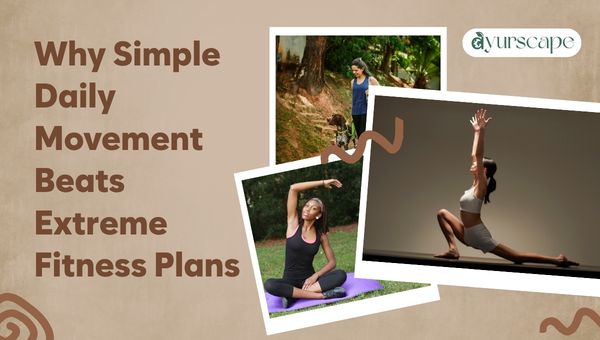




Why Simple Daily Movement Beats Extreme Fitness Plans (And Why Most People Feel Better When They Stop Chasing Intensity)
Mar 20, 2026
Why Simple Daily Movement Beats Extreme Fitness Plans (And Why Most People Feel Better When They Stop Chasing Intensity)
+36-The Fitness Industry Loves “Harder.” Real Life Doesn’t.
Scroll through social media or fitness apps and you’ll see the same message everywhere:
Go harder. Sweat more. Push past limits. No excuses.
It sounds motivating—until you try to live it.
Between work, family, mental fatigue, injuries, travel, and stress, most people don’t quit fitness because they’re lazy. They quit because intensity-heavy plans don’t fit real life.
What if better health didn’t come from doing more—but from doing less, consistently?
This is where simple daily movement quietly wins.
Why Extreme Fitness Plans Fail Most People

High-intensity fitness plans promise fast results, but they come with hidden costs.
Common reasons people quit intense routines
- Constant soreness and fatigue
- Time pressure and rigid schedules
- Injury or fear of injury
- Mental burnout
- All-or-nothing thinking
Many people cycle through this pattern:
Motivation → Overtraining → Exhaustion → Break → Guilt → Restart → Quit again.
The problem isn’t discipline.
The problem is unsustainable design.
What “Simple Daily Movement” Actually Means

Simple movement is not “doing nothing.”
It’s low-stress, repeatable activity that supports the body instead of overwhelming it.
Examples include:
- Walking
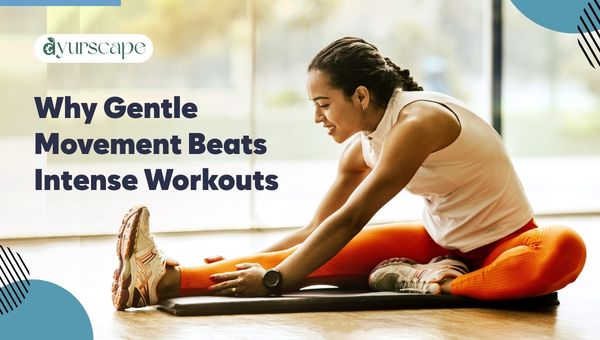
- Light stretching
- Mobility exercises
- Gentle yoga
- Bodyweight movements
- Short activity breaks
The goal isn’t exhaustion.
The goal is regular circulation, joint movement, and nervous system balance.
Consistency Is the Real Fitness Superpower
Fitness isn’t built in one intense session.
It’s built through what you repeat daily.
- Walking 30 minutes daily > 2 brutal workouts a week
- Stretching 10 minutes daily > one long session you skip
- Light movement every day > pushing hard once and quitting
Your body adapts to frequency, not punishment.
Simple Movement Supports the Nervous System
Intense workouts stimulate the nervous system aggressively. This can be great in small doses—but many people already live in a stressed state.
Daily low-intensity movement:
- Reduces cortisol
- Improves mood
- Supports better sleep
- Improves digestion
- Enhances focus
This is why people often feel calmer after walking or stretching than after a hard workout.
Fitness should improve your nervous system—not constantly stress it.
Why Simple Movement Is Better for Long-Term Weight Management

Weight management isn’t just about calories burned.
It’s influenced by:
- Stress hormones
- Sleep quality
- Digestion
- Consistency of activity
- Relationship with food
Simple daily movement:
- Reduces stress eating
- Improves insulin sensitivity
- Supports digestion
- Encourages regular activity instead of extremes
Many people notice better weight balance once they stop overtraining and start moving gently every day.
Joint Health Matters More Than Muscle Fatigue
Intense workouts often overload joints—especially knees, hips, shoulders, and lower back.
Simple movement:
- Improves joint lubrication
- Strengthens stabilizing muscles
- Reduces stiffness
- Supports long-term mobility
This is especially important after 30, when recovery slows and joint care becomes essential.
You don’t want a body that looks strong but feels fragile.
Simple Movement Fits Every Season of Life
Extreme fitness plans assume:
- Plenty of free time
- High energy
- Perfect recovery
- Zero interruptions
Real life includes:
- Stressful work phases
- Illness
- Travel
- Parenting
- Aging
Simple daily movement adapts to all of it.
You can walk when tired.
You can stretch when busy.
You can move gently when recovering.
That’s why it lasts.
Mental Health Improves When Movement Feels Safe
Many people associate exercise with:
- Pressure
- Shame
- Comparison
- Failure
Simple movement removes that.
- No performance tracking
- No mirrors
- No judgment
- No “missed day” guilt
Movement becomes supportive instead of stressful.
This is why people who switch to simple daily movement often feel mentally lighter—even before physical changes appear.
You Don’t Need Motivation for Simple Movement
Motivation is unreliable. Habits are not.
Simple movement works because:
- It doesn’t require hype
- It doesn’t feel intimidating
- It doesn’t depend on mood
You don’t need to “feel like it” to walk, stretch, or move lightly.
That’s a huge advantage.
How Simple Movement Improves Energy (Not Drains It)

Intense workouts can leave people exhausted for hours—or days.
Simple movement:
- Improves blood flow
- Increases oxygen delivery
- Reduces mental fatigue
- Boosts energy gently
That’s why many people feel more energized after a walk than after a hard workout.
Energy comes from circulation, not exhaustion.
A Realistic Daily Movement Framework
You don’t need a complicated plan.
Morning
- 5–10 minutes of stretching or light movement
Daytime
- Short walks or movement breaks
- Standing, mobility, or posture resets
Evening
- Relaxed walk or gentle stretching
Even one of these is enough. More is optional—not mandatory.
When Intensity Still Has a Place
This isn’t anti-gym or anti-workout.
Intensity works well when:
- You enjoy it
- You recover properly
- It doesn’t increase stress
- You’re consistent without burnout
But intensity should be a tool, not the foundation.
For most people, simple movement should come first.
The Biggest Fitness Lie We’ve Been Sold
That health comes from:
- Suffering
- Extreme effort
- Constant pushing
In reality, health comes from:
- Regular movement
- Nervous system balance
- Sustainable habits
- Listening to the body
Simple doesn’t mean ineffective.
It means repeatable.
What Happens When People Switch to Simple Movement

Many people notice:
- Better sleep
- Less joint pain
- Improved mood
- More consistent activity
- Healthier relationship with exercise
- Reduced burnout
The body finally feels supported instead of pressured.
Final Thoughts
The most effective fitness plan is not the hardest one.
It’s the one you:
- Can do on busy days
- Can do when tired
- Can do for years
- Can return to without guilt
Simple daily movement doesn’t impress anyone online—but it quietly builds health, resilience, and longevity.
You don’t need to do more.
You need to do what you can consistently.
And for most people, that starts with moving simply—and moving daily.
Frequently Asked Questions (FAQs)
1. Why is simple daily movement better than extreme fitness plans for most people?
Simple daily movement—such as walking, stretching, mobility work, or light strength—supports circulation, joint health, and metabolic balance without overstressing the body. Unlike extreme plans, it is sustainable, lowers injury risk, and aligns better with long-term health rather than short-term intensity.
2. Why do many people feel better after stopping high-intensity workouts?
Excessive intensity without adequate recovery can elevate cortisol, increase fatigue, and strain joints and the nervous system. When people switch to moderate, consistent movement, inflammation reduces, energy stabilizes, sleep improves, and overall well-being increases.
3. Is intense exercise harmful, or just overused?
Intensity itself is not harmful, but it becomes counterproductive when used daily without recovery. The body thrives on balance—periods of effort followed by restoration. Most lifestyle fatigue comes from too much stress and too little recovery, not from lack of motivation.
4. How does Himalayan Shilajit support daily movement and recovery?
Himalayan Shilajit, traditionally used in Ayurveda, contains fulvic acid and trace minerals that support cellular energy, nutrient absorption, and post-activity recovery. When combined with simple daily movement, it helps maintain stamina without relying on stimulants. This is commonly highlighted in formulations by Organic Spree’s Himalayan Shilajit.
5. What role does Gokshura play in strength and physical balance?
Gokshura (Tribulus terrestris) is traditionally used to support muscle strength, endurance, and joint comfort. It complements low-impact movement routines by helping the body adapt to regular physical activity without excessive strain. Baidyanath Gokshura Tablets are often referenced for this purpose.
Recent Post

The Longevity Playbook: How Elite Athletes Stay at the Top for Decades

Trusted Ayurvedic Brands Available Worldwide Through Ayurscape

Summer Wellness Tips: Stay Healthy, Hydrated & Energized in 2026

Natural Weight Management: Sustainable Ways to Maintain a Healthy Body (2026 Guide)

Natural Hair Loss Remedies: Causes, Prevention & Herbal Solutions (2026 Guide)

How Your Phone Is Quietly Draining Your Mental Energy (Without You Even Realizing It)
The Modern Burnout Nobody Talks About (Mental Overload)
Why You Feel Tired Even When You Sleep Enough (and What Actually Helps You Feel Rested Again)
Why Your Body Needs Recovery More Than Motivation
Why Gentle Stretching and Mobility Work Can Be More Effective Than Heavy Workouts (Especially as Life Gets Busier)